
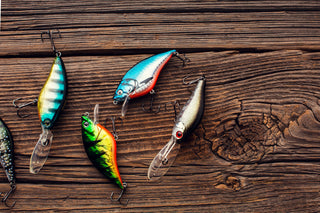
When the bait changes, your lure color should too. Matching the color to the bait improves your catch. Most people don’t pay enough attention to color; they throw the same thing all day, thinking it will work eventually. Sometimes it does, sometimes it doesn’t. Fish notice color first, especially when the bait is moving.
If your lure doesn’t match or contrast enough, bites drop fast. Watch the bait, check the water, see how the fish are moving, and swap when it’s not working. Even a small change in color can make a noticeable difference. The difference between getting a few bites and having action all day is often just watching and switching at the right time.
Why Lure Color Matters
Fish react to color before they notice shape or size sometimes. Bright, dark, reflective, translucent, but what works depends on the water, the light, the baitfish. Clear water favors subtle, natural colors. For murky water, you need brighter, bolder, high-contrast colors. Depth matters too; a lure that works on the surface can disappear just a few feet down.
People waste time throwing the same thing all day. Using lures that mimic real prey helps. Many anglers rely on dorado fishing lures because the colors match the local baitfish and patterns the fish are used to. When you see it works once, you know what to swap next time.
Reading Baitfish
Baitfish movement tells you more than anything. Schooling near the surface, moving fast, bright, shiny, reflective lures often work. Scattered, slow, sinking baitfish- darker or muted colors. Just spend a few minutes observing before you cast. Watch them tighten or loosen, rise or drop. That’s your signal.
Even small changes in density, movement, or behavior can show you what color is more noticeable. Sometimes you’ll see a small school suddenly break and start moving in a different direction- swapping color at that moment works better than guessing later.
Matching Lures to Water Conditions
Water clarity, depth, sunlight- all of it matters. For shallow and clear water, subtle or translucent colors work. Murky, deep and shaded areas need bolder, brighter colors. Sunlight angle changes what’s visible; what looked good at 9 a.m. might be ignored at noon.
Depth changes things, too; a color may pop on the surface but vanish 10-15 feet down. Even slight changes in water color, like a shadow from clouds or current stirring, affect visibility. Adjust your colors accordingly. Swapping too early isn’t always necessary, but waiting too long can cost bites.
Fish Feeding Behavior
Different fish feed differently. Surface feeders go for shiny, reflective stuff. Mid-water, deeper feeders want colors that blend with the baitfish they chase. Watch what predators are hitting, adjust to what’s in front of them if baitfish are small and silver, shiny works. Bigger, darker baitfish, darker lures work.
Many anglers do well with a Wahoo Lure offshore because it has the right flash and color to match aggressive predators chasing bait. Timing is key too, notice how the predators react to a color change, sometimes one switch and the whole school starts biting again.
Time and Place
Time of day changes visibility and color effectiveness. Morning, midday, evening- all light differently. Shallow bays, deep channels, reefs, and different reactions. A lure that worked at dawn might be ignored at noon. Don’t stick to one color. Keep multiple ready, swap quickly.
Sometimes the same school reacts differently if the sun moves or water shifts. Watch and adjust on the spot. It’s not complicated, it’s just noticing what’s happening.
Practical Steps to Swap Colors
Notice baitfish, check water, watch feeding. Start small- slightly brighter, darker, reflective. If it doesn’t work, go bigger. Keep multiple lures ready. Tuna Poppers are useful because they cover multiple patterns without changing lure type.
Test, observe, repeat. Note what works for you, but usually you’ll remember after a few tries. Don’t waste casts on something fish can’t see. Changing color is faster than moving or waiting, and often the difference between action and dead time.
Common Mistakes
Throwing one color all day. Ignoring baitfish or water. Expecting bites anyway. Fish don’t adjust to you. They react to color, movement, and light. Not noticing subtle changes kills your chances. Even if the lure is the right size and shape, wrong color, and nothing happens. Swapping too late or not at all is worse than guessing and changing early.
Lure Maintenance
Colors fade, saltwater ruins paint, finishes chip. A dull or damaged lure rarely works. Rinse after use, replace old lures, and check for chips or faded paint. Even the right color is useless if it looks beat up. Keep lures fresh, colors sharp. Proper maintenance keeps swapping effective.
Match lure color to bait activity, water clarity, and fish behavior. Observe, adjust, swap when needed. Simple, no gimmicks. Keep a few colors ready, pay attention, test, adjust, that’s all. For more options, gear, or advice on what works for your next trip, call us at Magbaylures.