
You think all lures of the same type act the same? Watch carefully, and you'll see subtle differences in action that reveal exactly what the predator is thinking.
Spend enough time on the water and you'll realize something important. Fish don't just react to what a lure looks like. They react to how it moves, how it pauses, and how it recovers. That movement gives away their mood more clearly than surface boils or sonar marks.
Anglers who learn to read lure action can start making better decisions, cast after cast. Whether you're offshore chasing speedsters or working open water for pelagics, understanding lure movement changes how often fish commit.
Every Movement Tells a Story
Lure action is the first thing a predator notices. A steady swim can signal confidence and strength. A sudden dart can trigger curiosity. A brief stall often creates hesitation that turns into a strike. These reactions aren't random. They are tied to how predators hunt and how they judge effort versus reward.
Take a Marlin Lure as an example. When it tracks cleanly and holds its line at speed, marlin are more likely to follow longer before committing. If it starts to blow out or behave erratically, you might see short strikes or fish fading away at the last second. That's feedback. The fish is telling you it's interested but not convinced. Slight changes in speed, leader length, or lure placement can shift that response completely.
This is why experienced anglers watch their spread constantly.
How Predators React Differently
If you notice, you'll find out that all predators don't respond the same way to the same action. Marlin often shadows a lure, sizing it up before attacking. Dorado tend to react faster, especially when they see sudden movement that suggests weakness. Tuna are somewhere in between, often responding to speed but locking in when the action stays consistent.
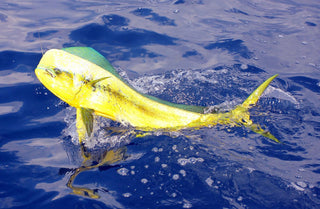
With dorado fishing lures, small variations matter more than most anglers realize. A lure that swims too perfectly can sometimes get ignored. Add a slight wobble or an occasional skip, and suddenly the fish charges. That reaction usually means the predator senses opportunity.
Watching how fish approach your lure tells you what to adjust next. If they rush in and fade off, slow down. If they trail without committing, introduce a pause or speed burst. These adjustments aren't theories. They come from paying attention to behavior instead of sticking rigidly to one retrieve style.
Adjusting Your Technique on the Fly
Conditions change constantly, and lure action needs to change with them. Current, wind, water clarity, and even boat speed affect how a lure behaves. A lure that works perfectly one day can fall flat the next without any obvious reason.
This is where poppers and surface presentations shine, especially when targeting fast-moving predators. Using Tuna Poppers online gives anglers access to designs that respond well to speed changes and rod work. A sharp pull can create explosive surface action, while a slower retrieve keeps the lure tracking just below the surface.
Watching how tuna react tells you whether they want chaos or control. If fish are slashing without hooking up, the action may be too aggressive. If they're ignoring the lure entirely, it might be too subtle. The lure shows you what the fish wants before you ever feel the strike.
Choosing the Right Lure for the Situation
Choosing a lure is about matching action to environment and behavior. Clear water usually rewards cleaner movement. Choppy water allows for more exaggerated action. Bright light often calls for controlled movement, while low light gives you room to be bolder.
Anglers who take a minute to watch how a lure swims before committing to it save themselves hours of frustration. Drop it in the water near the boat. Observe how it tracks. Make small changes. Those small decisions often lead to bigger results.
Observing and Learning from Each Cast
Every cast gives information. Even a missed strike teaches you something. Did the fish hesitate? Did it rush and turn away? Did it explode on the lure instantly? These moments shape better decisions later in the day.
Keeping mental notes helps. So does using reliable gear from brands that understand how action influences strikes. Magbaylures focuses on designs that hold their action under real conditions, not just calm water tests. When your lure behaves predictably, reading fish behavior becomes much easier.
If you ever need help choosing the right setup or dialing in your technique, Call Us and talk through what you're seeing on the water. Sometimes a quick adjustment is all it takes.
Putting It All Together
Lure action isn't just movement. It's communication. Predators respond honestly to what they see, and their reactions guide anglers willing to pay attention.
By watching how a lure swims and how fish respond, you make smarter choices without relying on luck. When you learn to read those signals, strike rates improve naturally.